
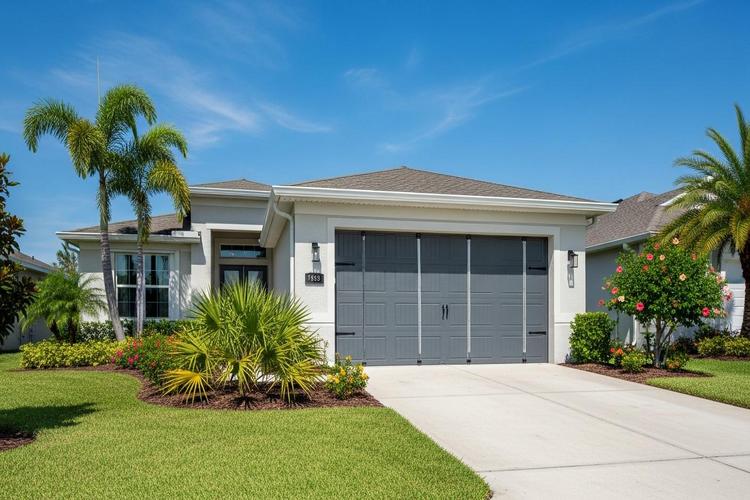
Living in Fort Myers, FL means enjoying beautiful weather most of the year—but it also means being prepared when hurricane season arrives. One area homeowners often overlook during storm planning is their garage door. However, because it’s usually the single largest opening in the home, your garage door can be a major vulnerability during high winds and flying debris. A failed garage door doesn’t just compromise your vehicle or storage—it can lead to catastrophic structural damage. That’s why proper hurricane preparation garage door strategies are absolutely essential for keeping your home safe when a storm strikes.
Why Your Garage Door Needs Extra Attention Before a Hurricane
Your garage door isn’t just a point of entry—it’s a structural shield. Standard garage doors, especially those installed before 2002, may not meet today’s storm codes. According to the Door & Access Systems Manufacturers Association (DASMA), nearly 80% of the economic losses from Hurricane Andrew in 1992 were attributed to garage door failures.
Florida building code now requires doors in hurricane zones to meet specific wind load and impact resistance standards. In Fort Myers and Lee County, building regulations follow the High Velocity Hurricane Zone (HVHZ) rules outlined by the Florida Building Code, which means your garage door should be rated and tested for pressures up to 150 mph or more depending on your exact location.
“If your garage door fails, the internal pressure in your home can rise rapidly, lifting the roof off and collapsing walls,”
notes the Insurance Institute for Business & Home Safety (IBHS).
That’s why reinforcement and regular maintenance are key parts of any comprehensive storm-preparation plan.
How to Reinforce Your Existing Garage Door
If you’re not ready to install a brand-new storm-rated door just yet, you can still reinforce your garage door to handle high winds better. Here are a few practical steps:
Install a bracing kit: These kits add vertical post reinforcements and horizontal braces to stabilize the panels and hinges. They’re typically made of zinc-coated steel and can be installed by a technician or a capable homeowner. Always ensure the bracing is anchored into your home’s concrete slab to provide real support.
Upgrade door tracks and rollers: Old or worn tracks and rollers can pop off under pressure. Reinforcing these components ensures your garage door stays in the rails during strong winds. Heavy-duty steel tracks that are securely fastened to the frame are a smart upgrade.
Seal around the edges: Strong winds can force water and debris through even small cracks. Weatherstripping around the panel edges and bottom of the door can reduce pressure buildup and water intrusion.
Secure the opener system: While the automatic opener isn’t a structural safeguard, you should always disconnect it before a storm if your door isn’t wind-rated, as it could cause damage to the motor if the door tries to lift on its own under pressure.
Still, these reinforcements may not be enough when facing Category 3 or higher hurricane winds. In these cases, permanent solutions like storm ready doors Florida are a safer and more effective route for long-term protection.
Storm-Rated Garage Doors: Features & Benefits
Replacing your older model with a storm ready garage door is an investment in both safety and property value. These doors meet Florida’s stringent wind load requirements and come reinforced from the factory, requiring no additional prep before each storm. Here’s how some leading manufacturers compare:
| Brand | Hurricane-Rated Models | Wind Pressure Rating | Impact Resistance |
|---|---|---|---|
| Clopay | WindCode Garage Doors | Up to 180 mph | Miami-Dade Approved |
| Wayne Dalton | Model 8000 Hurricane Series | Up to 160 mph | Meets HVHZ Standards |
| Amarr | WindPro Reinforced Doors | Up to 150 mph | Florida and Texas Approved |
These models aren’t just about strength. Most now include insulation for energy efficiency, strong aluminum or steel panels, reinforced hardware, and aesthetic choices that still look great on residential homes. Many insurance providers even offer policy discounts for homes with compliant, wind-rated garage doors.
Final Hurricane Season Checklist for Your Garage Door
As storm season approaches in Fort Myers, it’s smart to follow a structured checklist to protect your garage and home:
Inspect your door for damage or wear: Look for rust, cracks, warping, or weakened panels. Check the cables, springs, and track alignment. Any damaged components should be repaired or replaced before the storm hits.
Test manual operation: Power can go out during a hurricane, so ensure your emergency release allows for manual lifting. If your system is stiff or hard to operate, contact a technician to lubricate and adjust spring tension.
Ensure proper drainage around the garage: Clear gutters and direct runoff away from the garage entrance. Consider a rubber flood barrier if your garage sits low or tends to flood.
Reinforce or upgrade within building code: If your door isn’t compliant with current Florida Building Code standards, strongly consider upgrading to storm ready doors Florida sooner rather than later.
Schedule a professional inspection: If you’re unsure of your garage door’s rating, let a licensed technician assess it. In Fort Myers, we frequently help homeowners evaluate their storm readiness during this time of year.
Taking the time to secure your garage door is one of the smartest moves you can make before a storm. The extra preparation can mean the difference between major storm damage and riding out the hurricane safely.
Whether you choose to reinforce your existing system or upgrade to a fully certified hurricane-rated replacement, there’s no better time to get ready. Protecting your garage helps protect everything behind it—your home, your valuables, and your peace of mind.